1. Don’t eat Meal A if it’s not good for you!
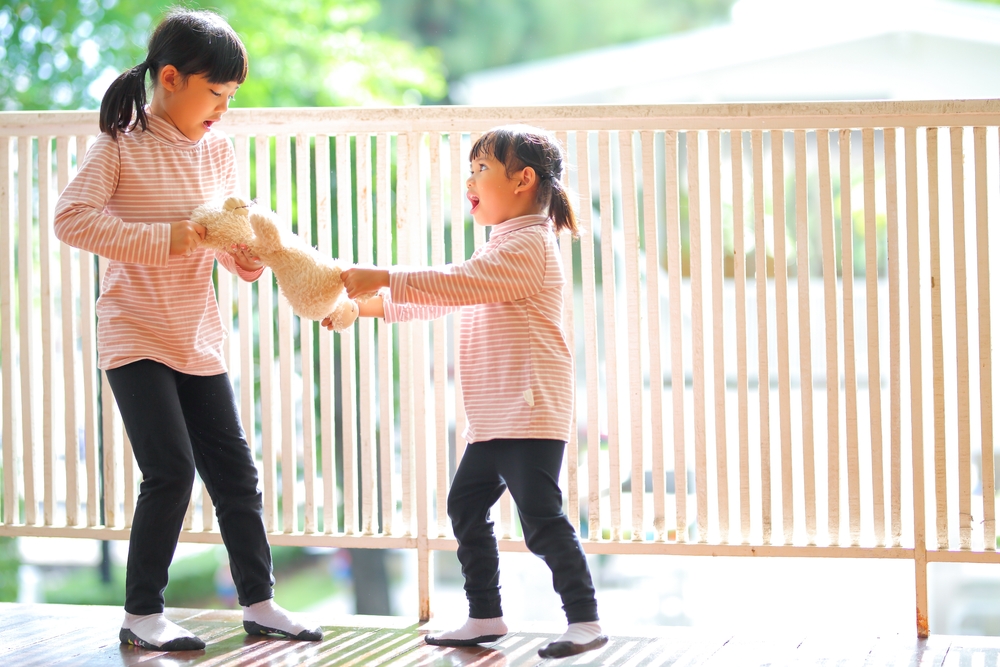
“You cannot hit your brother, just don’t hit him at all.” Parents may simply tell the child not to engage in an undesirable behavior (Meal A) without providing any alternative (Meal B, C, D) options. If the brother takes the child’s toy again, the child will likely continue to “eat Meal A” (hit). Parents should not only prohibit the undesirable behavior, but also provide alternative, appropriate ways for the child to respond – “You cannot hit, but if your brother takes your toy, you can tell him: ‘The toy is mine, I’ll give it to you when I’m done’ (Meal B), or you can ask me to help settle it (Meal C), or you can let your brother play with it first (Meal D)…”
2. Children will absolutely accept challenges!
“If you hit your brother again, I won’t want you anymore.” Parents may intend to suppress the child’s hitting behavior through intimidation, which often backfires, as today’s children may see this as a challenge. The child may resent the parents and the brother, and look for opportunities to hit the brother again. Instead, parents should directly state their expectations: “Please stop hitting your brother.”
3. My child hit me, but it doesn’t hurt. Can I tolerate that?
No matter how angry or dissatisfied the child is, when they engage in harmful, self-destructive, or destructive behaviors, parents must intervene immediately. If the child habitually vents their frustration by hitting others because the force is not great and the adults can endure the pain, the child may mistakenly think that attacking others is acceptable. Parents have the responsibility to immediately stop and clearly indicate that the child’s hitting behavior is unacceptable.
In fact, children are not born as little bullies. As they grow, the people around them, while accompanying them, should carefully teach them the right ways to deal with problems. Only then can the child develop maturity and become independent.