屏幕安全距離小秘訣:別讓眼睛靠太近 Tips for Maintaining a Safe Screen Distance: Don’t Let Your Eyes Get Too Close!

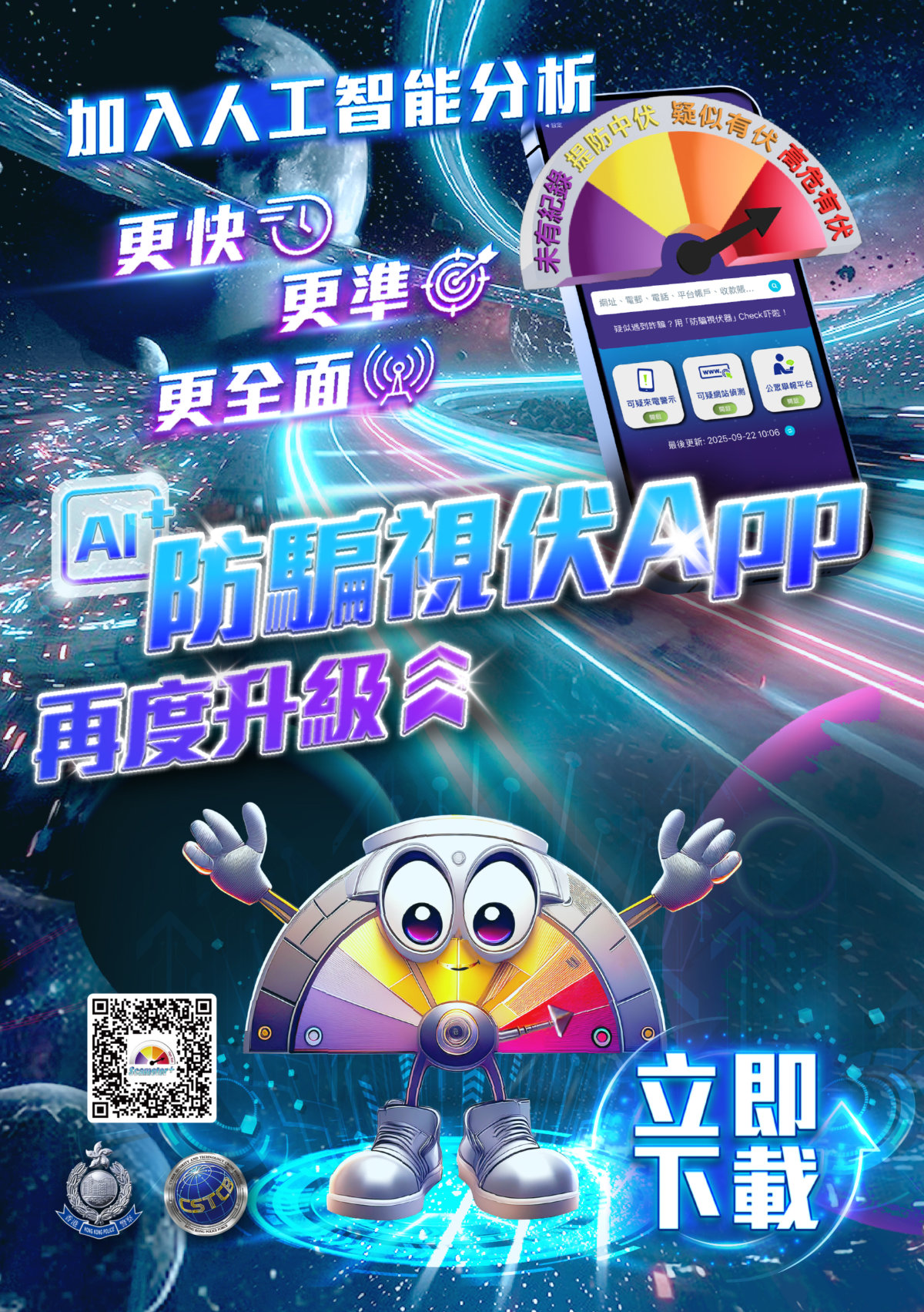
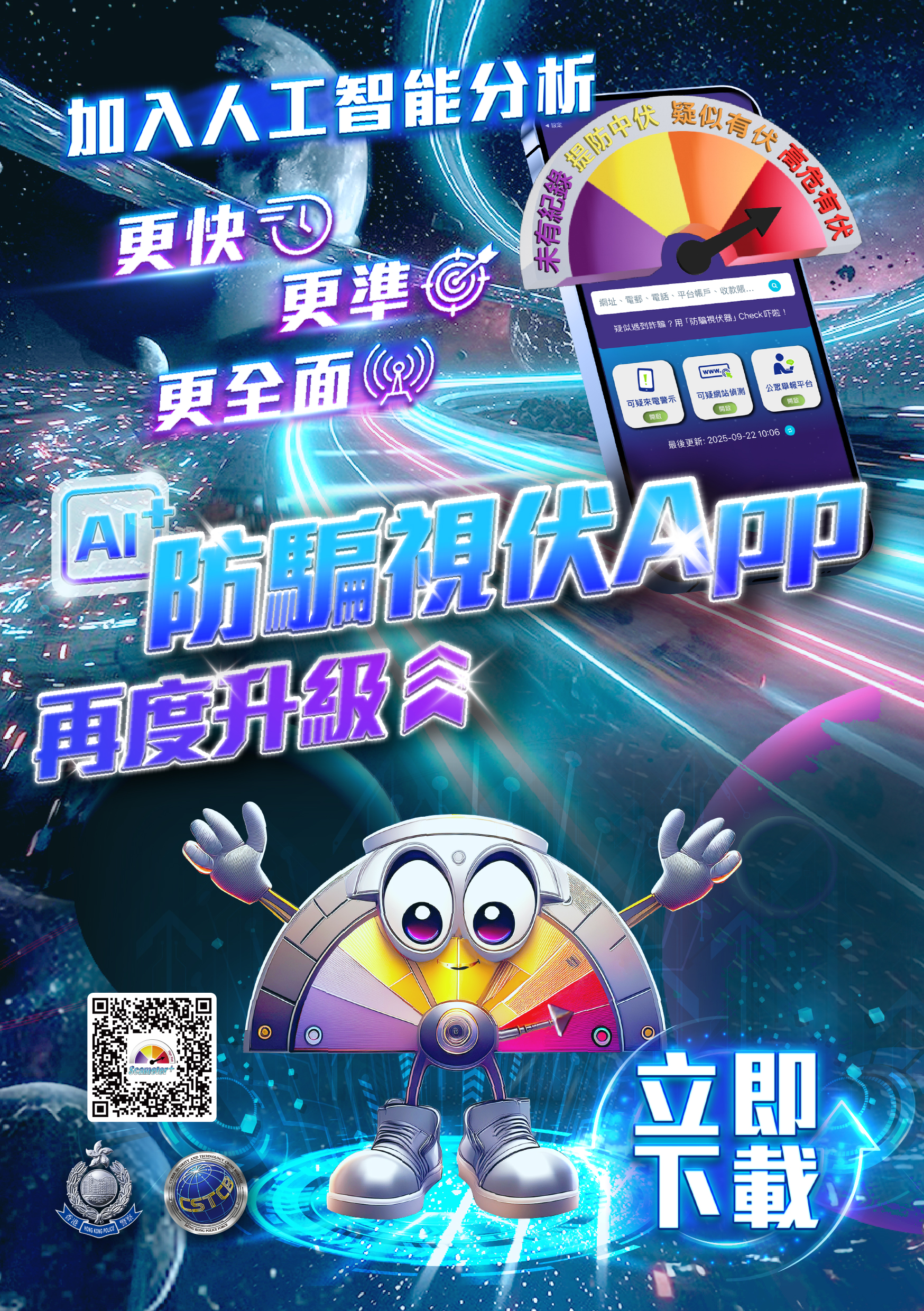
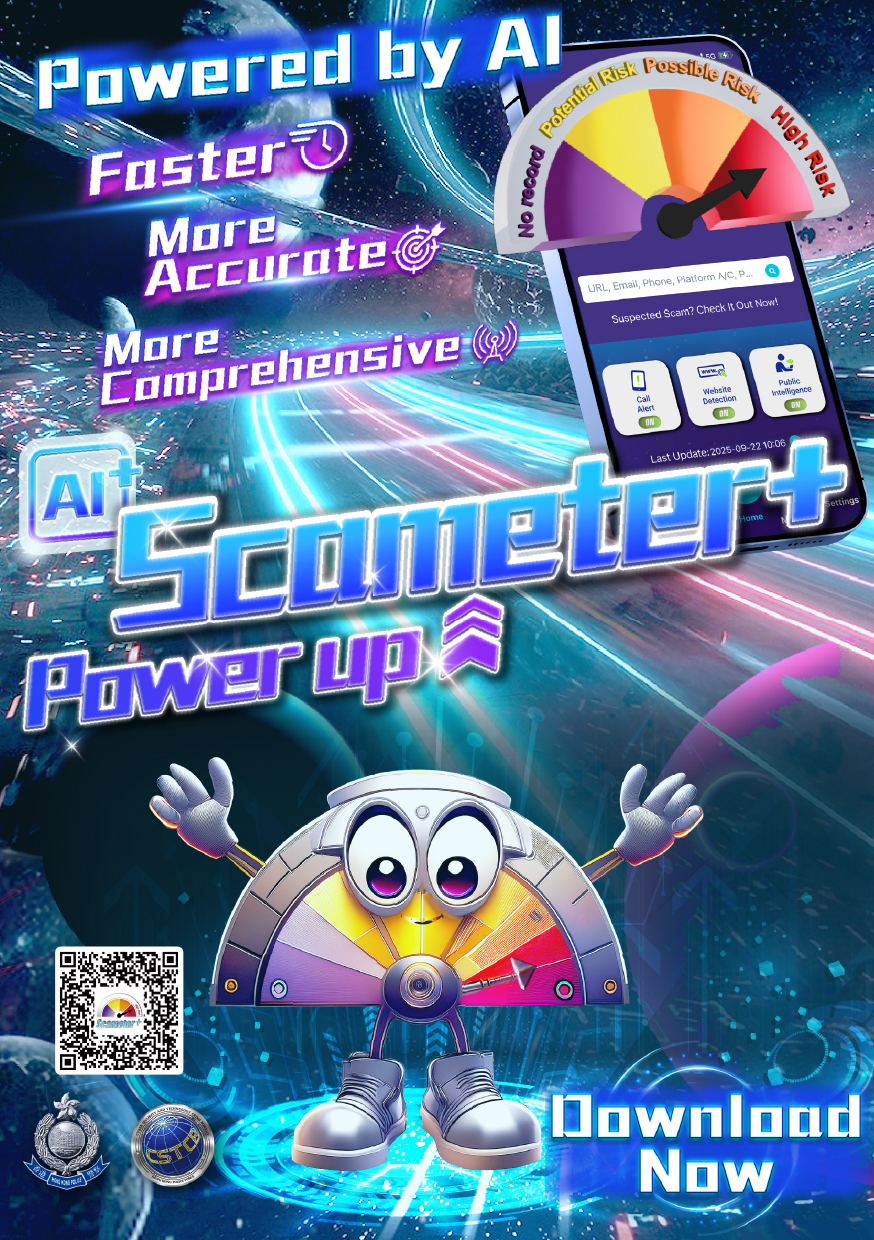
升級版「防騙視伏App」 “Scameter+” app

香港警務處正推廣升級版「防騙視伏App」,以防止及打擊騙案。有關詳情載於守網者網頁(CyberDefender.hk)。 The Hong Kong Police Force is promoting their "Scameter+" app to combat and prevent scams in Hong Kong. Relevant details can be found in the website (CyberDefender.hk).

保護兒童你我有責Child Protection – We All Have a Duty

語你常在 <br> Language and You

語文教育及研究常務委員會(語常會)致力與不同持分者合作,通過運用語文基金,資助並推行不同的措施,以幫助市民提升兩文三語的能力。為進一步提升公眾對語文的興趣與應用能力,我們誠意推出全新電子半年期刊《語你常在》,透過多元化及精彩的內容促進社會對語文學習的關注及參與。

《語你常在》分為四個部分:
(一)「語境」— 回顧語常會過往的重要活動,展望未來語文發展方向。
(二)「語學」— 結合學術研究與教學實踐,透過理論探討與教學反思,協助教師在語文教育方面持續進步。
(三)「語常」— 以探究的視角,揭示滲透在我們日常生活中的微妙且常被忽視的語言現象。
(四)「語議」— 展示來自社區的語文智慧與創新實踐,促進各方參與。

The Standing Committee on Language Education and Research (SCOLAR) is committed to collaborating with various stakeholders and utilising the Language Fund to support initiatives that enhance public proficiency in biliteracy and trilingualism.  To further foster the public’s interest and practical skills in languages, we are pleased to announce the launch of our new electronic publication, “Language and You”.  This biannual publication aims to inspire broader community awareness and involvement in language learning through its diverse and engaging content.

“Language and You” is divided into four sections:
  1. “Language for You”: Serving as a chronicle of SCOLAR’s mission, reviewing past initiatives and projecting a vision for future language development
  2. “Impact on You”: Integrating academic research with teaching practice, facilitating continuous development in language education through theoretical exploration and teaching reflection
  3. “Language around You”: Adopting an investigative lens to illuminate the nuanced and often overlooked linguistic phenomena that permeate our daily life
  4. “Language from You”: Constituting a dynamic space for participatory engagement, showcasing the applied wisdom and innovative practices in language emanating from our community

Please refer to the webpage. 

讀名校就一定好嗎?從一場親子活動看見的教育真相讀名校就一定好嗎? Is Attending a Prestigious School Always a Good Thing? The Truth About Education Revealed at a Parent-Child Activity

我曾為一間知名學校主持親子活動,現場所見讓我深深震撼。這不僅讓我重新思考「名校光環」背後的教育本質,更讓我意識到我們正在培養怎樣的下一代。

當愛變成了束縛

活動現場,我設計了許多具挑戰性的任務,原意是讓孩子們透過自主解決問題來建立自信和能力。然而,我卻目睹了一幕幕令人心痛的畫面:

「你不懂的,讓我來!」

「我真的看不過眼,你這樣不行的!」

「我好擔心你將來怎麼辦!」

這些話語如利刃般刺向孩子的心靈。家長們出於「愛」的保護,卻在無意中剝奪了孩子成長的機會。原本應該讓孩子親身體驗、自主解決的挑戰,最終都變成了家長的「表演秀」,孩子只能在旁邊當個「觀眾」。


扭曲的競爭觀念

更令我擔憂的是,在設計的競技遊戲中,我發現孩子們缺乏真正的參與熱忱,反而是家長們急於求勝。這種本末倒置的現象反映了一個嚴重問題:我們正在培養一群害怕失敗、缺乏內在動機的孩子。

根據史丹佛大學心理學家卡羅·德韋克(Carol Dweck)的成長型思維理論,當孩子過度專注於結果而非過程時,他們會發展出固定型思維,認為能力是天生的、不可改變的。這樣的孩子面對挑戰時會選擇逃避,因為失敗意味著「我不夠聰明」。


情緒壓力下的崩潰

現場最讓我心疼的是,當某些孩子無法完成活動時,即使家長在旁鼓勵,他們仍然情緒失控。這背後的原因並非孩子能力不足,而是他們承受著巨大的情緒壓力。

兒童心理學研究指出,孩子最害怕的不是失敗本身,而是失敗後面臨的責備和失望。當我們將孩子的表現與自己的面子掛鉤時,無形中就為他們套上了沉重的枷鎖。

高學歷vs真正的競爭力

這讓我不禁反思:我們究竟想培養怎樣的孩子?是一個擁有亮麗學歷卻缺乏生活技能的「高分低能」者,還是一個具備正向品格、良好人際關係和實際解決問題能力的未來領袖?

看看深圳、上海的快速發展,再對比香港的相對停滯,問題不在於我們缺乏資源或能力。

問題在於我們培育下一代的心態出了偏差。

我們的孩子變得:

– 不敢嘗試新事物

– 害怕面對失敗

– 想得太多卻行動力不足

– 缺乏積極進取的精神

但AI時代需要的恰恰是人類獨有的能力:

– 創造力和想像力

– 批判思維和解決問題能力

– 情緒智慧和人際溝通

– 勇於挑戰和適應變化

– 團隊協作和領導力


這些能力的培養,不取決於學校的名氣,而在於我們如何引導孩子面對挑戰。

AI時代下的人類優勢

在AI快速發展的今天,機器已經能夠處理大量繁複的運算工作。但這同時也解鎖了人類的真正價值:創造力、批判思維、情緒智慧、協作能力和勇於挑戰的精神。這些恰恰是現在孩子們最需要培養的核心能力。


正向心理學之父馬丁·塞利格曼(Martin Seligman)提出的PERMA模型告訴我們,真正的幸福和成功來自於:

P – Positive Emotions(正向情緒)

讓孩子在挑戰中體驗成就感,而不是恐懼感

E – Engagement(投入感)

培養孩子的內在動機,而非外在壓力

R – Relationships(良好關係)

建立基於信任和支持的親子關係

M – Meaning(意義感)

讓孩子理解努力的意義,而非單純追求結果

A – Accomplishment(成就感)

慶祝過程中的進步,而非只看最終成績

這些品質的培養,並不需要名校的光環。而在於我們如何引導孩子面對挑戰、處理挫折、建立自信。


家長的5個實用建議

基於這次活動的觀察和我多年的研究,我想給所有家長5個建議:

  1. 學會”忍住不幫”

當孩子面對困難時,給他們思考和嘗試的時間。你的”幫助”可能是對他們成長最大的阻礙。

  1. 重視過程,淡化結果

問孩子”你今天學到了什麼?”而不是”你今天考了多少分?”

  1. 允許失敗,慶祝嘗試

告訴孩子:”失敗是成功的必經之路,我為你的勇敢嘗試感到驕傲。”

  1. 培養內在動機

幫助孩子找到自己真正感興趣的事物,而不是強加你認為”好”的選擇。

  1. 做孩子的情緒支持者

當孩子情緒低落時,先接納他們的感受,再引導他們思考解決方案。


請培育屬於未來的孩子

無論是名校還是一般學校,關鍵在於我們要擺正教育的焦點。我們需要培育的是「屬於未來的孩子」,而不是「屬於家長的孩子」。


真正的教育應該:

– 讓孩子在安全的環境中體驗失敗,學會從挫折中成長

– 培養內在動機,而非外在的獎懲制度

– 重視過程中的努力和進步,而非單純的結果

– 建立孩子的自主性和責任感

– 發展情緒調節和人際溝通能力


反思與行動

作為家長,我們需要誠實地問自己:我們現在的育兒模式,究竟是在提升孩子的未來競爭力,還是在削弱他們的品格和能力?

名校的光環或許能為孩子帶來短暫的優勢,但真正決定他們未來成就的,是那些在日常生活中培養出來的品格、能力和心態。

讓我們放下對「完美」的執著,給孩子更多自主探索的空間。讓他們在跌跌撞撞中學會站立,在失敗中學會堅韌,在挑戰中發現自己的潛能。

因為,真正的教育不是為孩子鋪一條平坦的路,而是給他們一雙能夠走過任何道路的腳。


辰民爸爸

教育博士・正向教育專家

I once hosted a parent-child activity at a renowned school, and what I witnessed deeply shocked me. This not only made me rethink the educational essence behind the “halo effect” of prestigious schools, but also made me realize what kind of next generation we are raising.


When Love Becomes a Constraint

During the activity, I designed many challenging tasks, intending for children to build confidence and competence through independent problem-solving. However, I witnessed heartbreaking scenes:


“You don’t understand, let me do it!”


“I really can’t stand it, you can’t do this!”


“I’m so worried about what will happen to you in the future!”


These words pierced the children’s hearts like sharp knives. Parents, out of “love” and protection, unintentionally deprived their children of opportunities to grow. Challenges that should have allowed children to experience and solve problems independently ultimately became a “performance show” by the parents, with the children relegated to being mere “spectators.”


A Distorted Concept of Competition

What worries me even more is that in the designed competitive games, I found children lacking genuine enthusiasm for participation; instead, it was the parents who were eager for victory. This topsy-turvy phenomenon reflects a serious problem: we are raising a group of children who are afraid of failure and lack intrinsic motivation.


According to Stanford University psychologist Carol Dweck’s growth mindset theory, when children focus excessively on results rather than process, they develop a fixed mindset, believing that abilities are innate and unchangeable. Such children will choose to avoid challenges because failure means “I’m not smart enough.”


Breakdowns Under Emotional Pressure

What broke my heart most was that when some children couldn’t complete the activity, even with encouragement from their parents, they still lost control of their emotions. The reason behind this wasn’t that the children lacked ability, but that they were under immense emotional pressure.


Child psychology research indicates that what children fear most is not failure itself, but the blame and disappointment that follow. When we link our children’s performance to our own pride, we are unknowingly placing heavy shackles on them.


High Academic Qualifications vs. True Competitiveness

This makes me reflect: What kind of children do we want to raise? Are we to be “high-scoring but low-ability” individuals with impressive academic records but lacking life skills, or future leaders with positive character, strong interpersonal relationships, and practical problem-solving abilities?


Looking at the rapid development of Shenzhen and Shanghai, and contrasting it with the relative stagnation of Hong Kong, the problem isn’t a lack of resources or capabilities.


The problem lies in our flawed mindset in nurturing the next generation.


Our children have become:


– Afraid to try new things

– Afraid to face failure

– Overthinking but lacking action

– Lacking a proactive spirit


But the AI ​​era demands precisely the uniquely human abilities:

– Creativity and imagination

– Critical thinking and problem-solving skills

– Emotional intelligence and interpersonal communication


Courage to challenge and adapt to change

Teamwork and leadership

The cultivation of these abilities doesn’t depend on the school’s reputation, but on how we guide children to face challenges.


Human Advantages in the AI ​​Era

In today’s rapidly developing AI landscape, machines are already capable of handling a vast amount of complex computational work. But this also unlocks true human value: creativity, critical thinking, emotional intelligence, collaboration, and a spirit of challenge. These are precisely the core competencies that children most need to cultivate today.


Martin Seligman, the father of positive psychology, proposed the PERMA model, which tells us that true happiness and success come from:


P – Positive Emotions: Let children experience a sense of accomplishment in challenges, not fear.

E – Engagement: Cultivate children’s intrinsic motivation, not external pressure.

R – Relationships: Build parent-child relationships based on trust and support.

M – Meaning: Help children understand the meaning of effort, not just the pursuit of results.

A – Accomplishment: Celebrate progress in the process, not just the final grade.


Cultivating these qualities doesn’t require the halo of prestigious schools. It lies in how we guide children to face challenges, cope with setbacks, and build self-confidence.


5 Practical Suggestions for Parents


Based on observations from this event and my years of research, I would like to offer five suggestions to all parents:


  1. Learn to “Resist Helping”

When children face difficulties, give them time to think and try. Your “help” may be the biggest obstacle to their growth.

  1. Focus on the Process, De-emphasize the Results

Ask your child, “What did you learn today?” instead of “What score did you get on your test today?”

  1. Allow for Failure, Celebrate Attempts

Tell your child, “Failure is a necessary step on the road to success. I am proud of your courageous attempt.”

  1. Cultivate Intrinsic Motivation

Help your child find what they are truly interested in, rather than imposing what you think is “good.”

  1. Be Your Child’s Emotional Supporter

When children are feeling down, first accept their feelings, then guide them to think about solutions.


Nurturing Children for the Future

Whether it’s a prestigious school or an ordinary school, the key is to shift our focus in education. We need to nurture “children for the future,” not “children for parents.”


True education should:

– Allow children to experience failure in a safe environment and learn to grow from setbacks.

– Cultivate intrinsic motivation, rather than external reward and punishment systems.

– Value effort and progress in the process, rather than simply the result.

– Build children’s autonomy and sense of responsibility.

– Develop emotional regulation and interpersonal communication skills.


Reflection and Action

As parents, we need to honestly ask ourselves: Are our current parenting models enhancing our children’s future competitiveness or weakening their character and abilities?


The prestige of a prestigious school may bring children a temporary advantage, but what truly determines their future success are the character, abilities, and mindset cultivated in daily life.


Let’s let go of our obsession with “perfection” and give children more space for independent exploration. Let them learn to stand up through stumbles and falls, learn resilience through failure, and discover their potential through challenges.


Because true education is not about paving a smooth road for children, but about giving them feet capable of traversing any path.


Ringlepapa

PhD in Education, Positive Education Expert

「家長智Net」最新推介:同行‧成長:家長如何守護子女的精神健康(上)Growing Together: How Parents Can Safeguard Their Children’s Mental Health (Part 1)

針對青少年可能面對的心理與情緒困擾,香港大學醫學院榮譽臨床副教授及精神科醫生沈君豪將深入探討此一重要議題,協助家長們察覺與辨識青少年子女的各種心理或情緒問題。此外,沈醫生也分享一些實用的技巧,幫助家長們應對青少年的心理與情緒困擾。透過有效的溝通方式、情緒管理的策略,以及建立支持性的家庭環境,幫助青少年子女健康快樂地成長。

Addressing the psychological and emotional challenges that adolescents may face, Dr. Sham Kwan-ho, Honorary Clinical Associate Professor and Psychiatrist at the University of Hong Kong's Faculty of Medicine, will delve into this important issue, helping parents recognize and identify various psychological or emotional problems in their children. Dr. Sham will also share practical techniques to help parents cope with the psychological and emotional distress of their children. Through effective communication, emotional management strategies, and the creation of a supportive family environment, parents can help their children grow up healthily and happily.

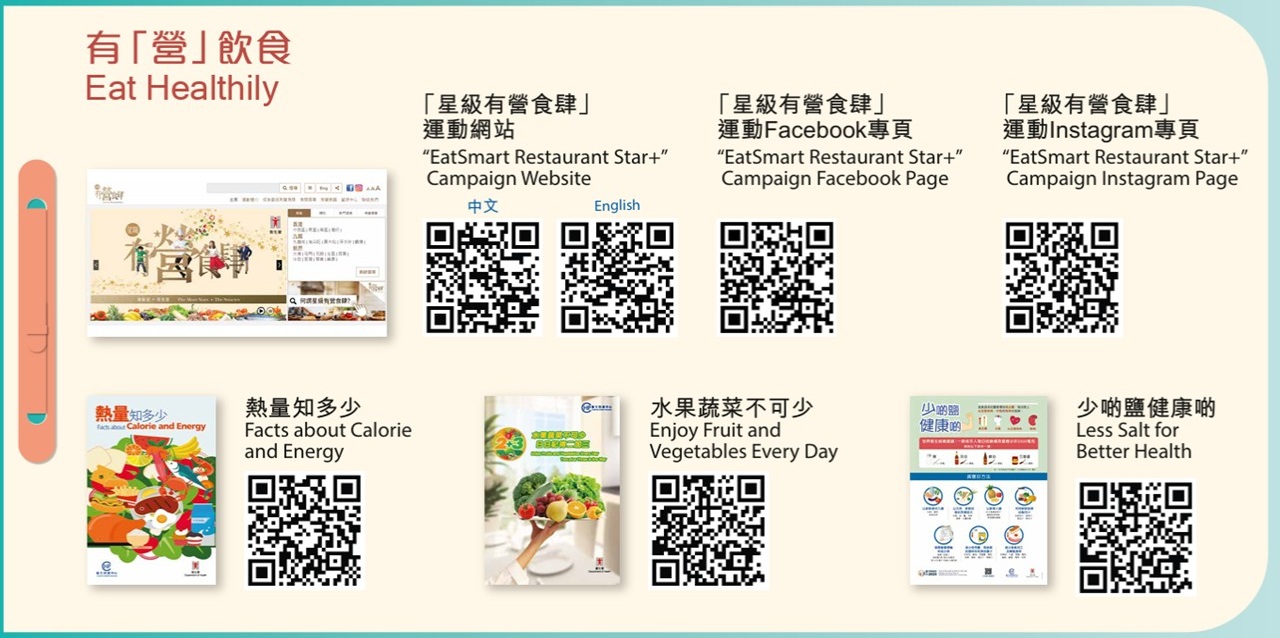
有營飲食實用網站

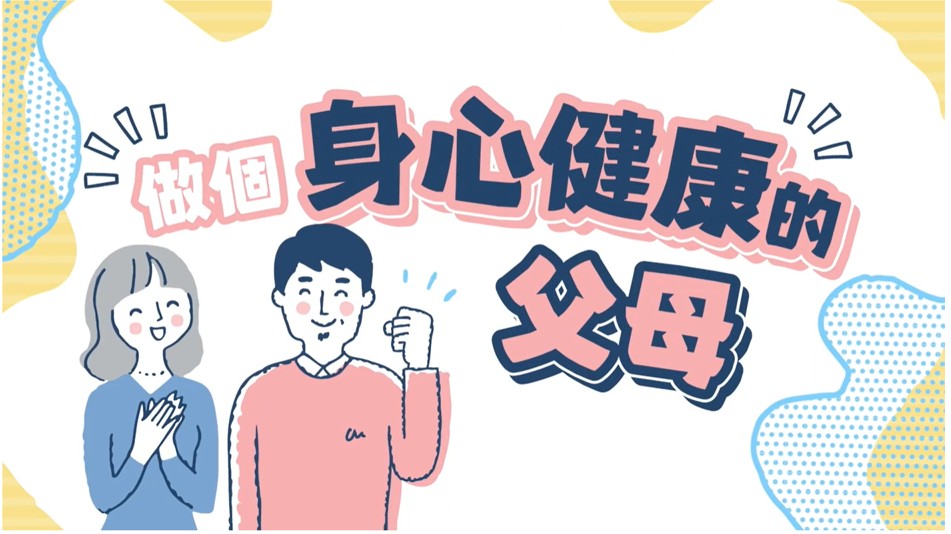
做個身心健康的父母 Be a physically and psychologically healthy parent

做個身心健康的父母 影片邀請了臨床心理學家與家長分享保持身心健康小貼士,讓家長了解如何透過靜觀和感恩練習去處理自己的情緒。
Be a physically and psychologically healthy parent The video invites five primary school students to share the ups and downs in their primary school life. A psychiatrist will explain the stress that primary students would encounter in general, so that parents can learn how to help their children handle and deal with stressful events among primary school students.
分類
家長園地 家長園地 家長園地 家長園地 家長園地 家長園地 家長園地 家長園地 家長園地 家長園地

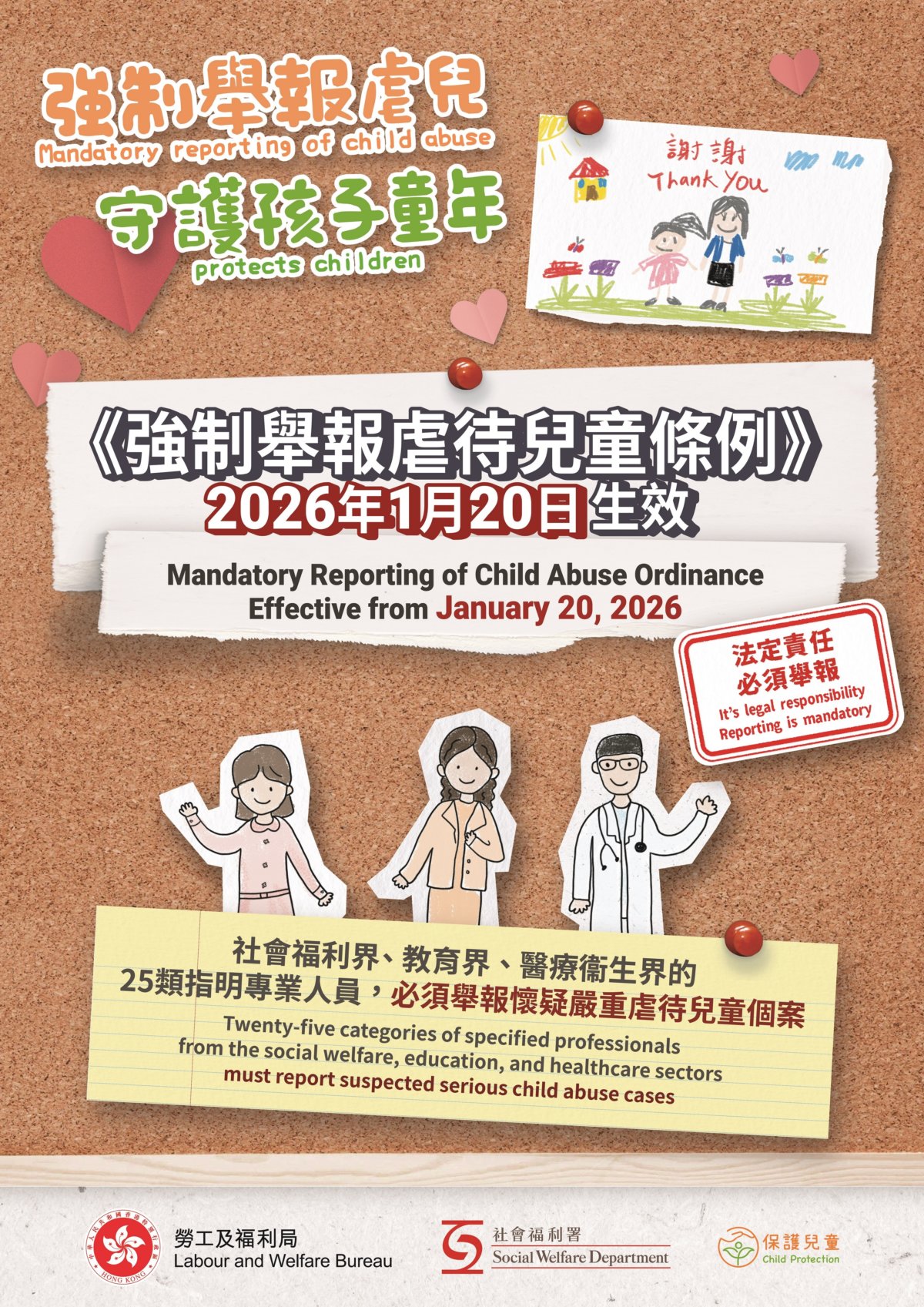
《強制舉報虐兒 守護孩子童年》Chinese version only

政府非常重視兒童的福祉,深信每名兒童都應受到保護。《強制舉報虐待兒童條例》將於2026年1月20日生效,社會福利界、教育界、醫療衛生界的二十五類指明專業人員有法定責任舉報懷疑嚴重虐待兒童個案,藉此及早識別和介入嚴重虐待兒童個案,為兒童建立全面而有效的保護網。
政府電視宣傳短片 - 《強制舉報虐兒 守護孩子童年》

日常生活融合體能活動
Physical activity in daily life

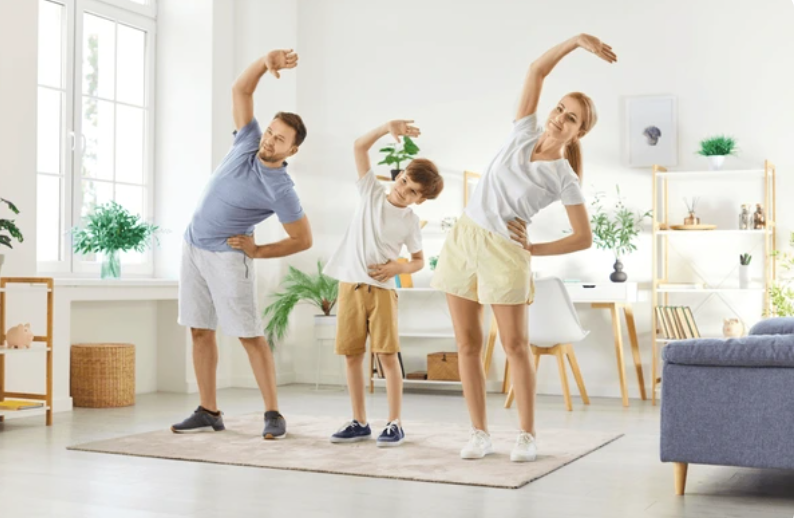
把體能活動融合於日常生活當中

研究顯示,恆常做體能活動能給我們的健康帶來莫大裨益。一般人認為體能活動是穿上全套運動服裝跑步、打籃球等,事實卻不限於此。其實日常生活中任何消耗能量的活動均屬體能活動。因此,如要增加每天的體能活動量,最簡單和可以持之以恆的方法就是把體能活動融入日常生活中,這樣便可培養體能活動的習慣,體驗箇中的樂趣和對健康的裨益。詳細可參閱:https://www.chp.gov.hk/tc/static/90003.html


Physical activity in daily life

Incorporating physical activity into daily life
Studies show that regular physical activity (PA) can give us tremendous health benefits. Normally, the term “physical activity” is interpreted as sports being done in a full set of sport gear, like running or playing basketball. However, PA is not limited to those activities. In fact, any bodily movement produced by skeletal muscles that exerts energy expenditure is regarded as physical activity. Therefore, a simple and sustainable way to increase your daily PA level is to make PA a regular habit in your life. Starting from today, enjoy the fun of PA and experience its benefits to health. Please refer to:https://www.chp.gov.hk/tc/static/90003.html